11 years after civic inclusion, Tulsi Nagar languishes in neglect
3 min read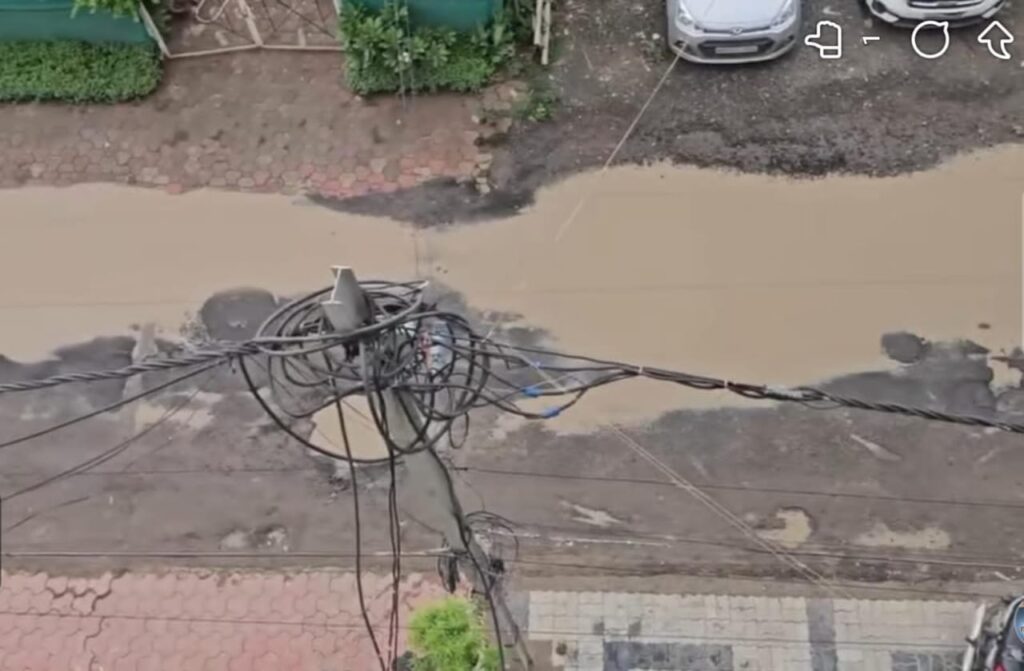
CITY EXPOSED
Indore(Team Newsbuddy): Indore, India’s cleanest city for eight consecutive years in the Swachh Survekshan, is celebrated for its pristine streets and robust urban framework. Yet, beneath this polished facade lies the untold story of Tulsi Nagar, a colony mired in neglect since its inclusion in the Indore Municipal Corporation (IMC) in 2014. For 11 years, residents have endured broken roads, stagnant slush, and a nonexistent drainage system, transforming their neighborhood into a quagmire every monsoon and leaving their dreams of a better life unfulfilled.
When Tulsi Nagar was annexed by the IMC in 2014, hopes soared for modern infrastructure and civic amenities. Instead, the colony was branded “illegal,” stunting its development. Despite residents faithfully paying property, water, and other taxes, they have been repaid with crumbling streets and ignored grievances. A partial reprieve came in 2023, when approximately 540 of the colony’s 2,400 plots were legalized, accompanied by lofty promises of progress and infrastructure development in the colony, as published in local media. Yet, over a year later, pothole-riddled roads and waterlogged streets remain, turning daily life into a struggle, especially during the rainy season.
“Tulsi Nagar feels like an abandoned soul, forsaken by both family and society,” says Sharda Singh Parihar, a resident, her voice heavy with emotion. “We built homes here for our children’s future, but these roads and filth are crushing our hopes.” Shiv Bahadur Singh, a retired state government employee and resident of the colony, showing his displeasure against civic authorities, says, “We’ve been paying taxes for 11 years, but what do we get? Potholes, mosquito-infested swamps, and diseases. Is this the face of India’s cleanest city?”
The monsoon exacerbates the crisis, turning roads into treacherous ponds. Schoolchildren and the elderly navigate these hazards daily, putting themselves at risk of injury. A young mother sharing her distress says, “My kids slip in the mud on their way to school, ruining their books and clothes. We’ve pleaded with the IMC, but all we get are empty promises.”
Tulsi Nagar’s main road, connecting the colony to the city, is a patchwork of deep potholes, posing a lethal risk to commuters. The lack of a drainage system allows rainwater to stagnate, fostering foul odors and mosquito breeding grounds that heighten the threat of dengue and malaria. Residents argue that Indore’s glowing reputation for cleanliness is tarnished by the civic apathy toward areas like theirs.
The Ward 36_37 Residents’ Association, led by patron K.K. Jha and president Rajesh Tomar, alongside the Tulsi Saraswati Social Welfare Society’s Shambhunath Singh and Sanjay Yadav, have called for urgent action and remedial measures on the part of the IMC and the district administration for the construction of Tulsi Nagar roads and their drainage lines. “Cleanliness alone isn’t enough—roads and drainage are the backbone of a city’s pride,” they asserted. The residents have issued a stern warning: if their pleas for paved roads and proper drainage continue to be ignored, they will be constrained to stage public protests.
Local corporator Sangeeta Mahesh Joshi, acknowledging the crisis, said, “We are addressing Tulsi Nagar’s plight with urgency. We will request funds from the IMC for road construction, repairs, and drainage infrastructure.” However, residents, weary of unfulfilled assurances, demand tangible results.