India’s silent strike on Dollar dependence
3 min read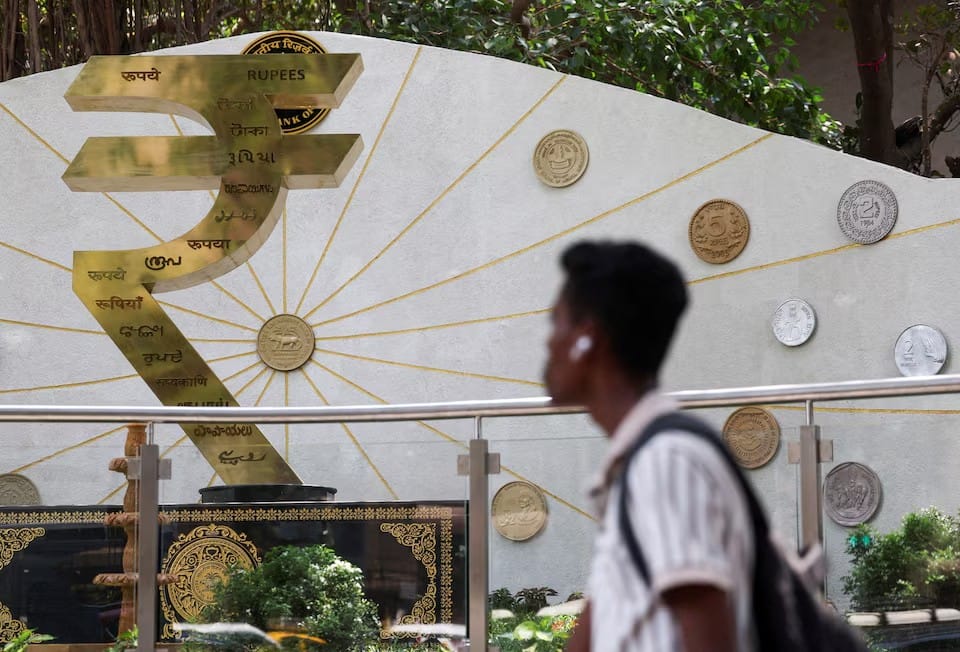
K K Jha
By easing Special Rupee Vostro Account rules, India has taken a decisive step toward de-dollarizing trade, insulating its economy from U.S. tariff shocks, and boosting the rupee’s global standing. The Reserve Bank of India (RBI) on August 5, 2025, in a quiet but decisive move, removed the requirement for Authorized Dealer (AD) banks to seek prior approval before opening Special Rupee Vostro Accounts (SRVAs) for foreign correspondent banks.
This procedural simplification has eliminated a key bottleneck, enabling quicker adoption of rupee-based trade settlement—a core element in India’s strategy to reduce dependence on the U.S. dollar and protect against currency volatility. An SRVA is an account a foreign bank holds with an Indian bank in rupees, allowing bilateral trade to be invoiced and settled in INR rather than dollars or euros. Introduced in July 2022, SRVAs enable trade settlements in rupees, allow surplus balances to be maintained for future transactions, and bypass U.S.-centric systems like SWIFT. By removing the approval step, the RBI has made SRVA adoption faster and more attractive for foreign partners.
The move comes amid escalating trade tensions. The Trump administration recently imposed 25% tariffs on Indian exports, threatening more if India continues importing Russian crude at discounted prices. These increased tariffs will most likely hit small and medium exporters hard and will add pressure on the rupee. To get rid of this, the RBI has been intervening in currency markets to stabilize the rupee. It operates in the non-deliverable forward (NDF) market to curb volatility and support government credit guarantee plans for exporters facing tariff losses. The fresh SRVA reform will complement these short-term defenses with a long-term structural shift toward financial autonomy. It will reduce India’s vulnerability to U.S. monetary policy and currency swings. It will boost the Indian rupee, expanding its role in global trade, potentially positioning it as a regional reserve currency.
Besides, it will facilitate faster trade partnerships and will cut onboarding time for foreign partners from months to weeks. This move will also support other economies in the Global South, seeking alternatives to dollar-based trade. In mid-2023, Indian banks had opened 92 SRVAs with correspondent banks in 22 countries—including partners in Asia, Africa, and Eastern Europe. Many of these nations are already receptive to local currency trade. The August 5 change will accelerate this expansion by allowing banks to act without waiting for central bank clearance, making the rupee a more accessible trade currency.
The RBI move is a part of India’s broader plan to de-dollarize trade flows, build currency resilience, and strengthen strategic leverage. By embedding INR deeper into global commerce, India will not only shield itself from external shocks but also prepare itself for a multi-currency world. The RBI’s decision is a low-key but pivotal step in reshaping India’s trade ecosystem. Against the backdrop of U.S. tariffs and global currency shifts, it lays the groundwork for a future where the rupee will play a far more prominent role in international trade—a quiet move today that could redefine economic independence tomorrow.
(The writer is an Indore-based senior journalist)