
Amidst unbearable pain, Indore teacher writes letter to President for “mercy killing”
3 min read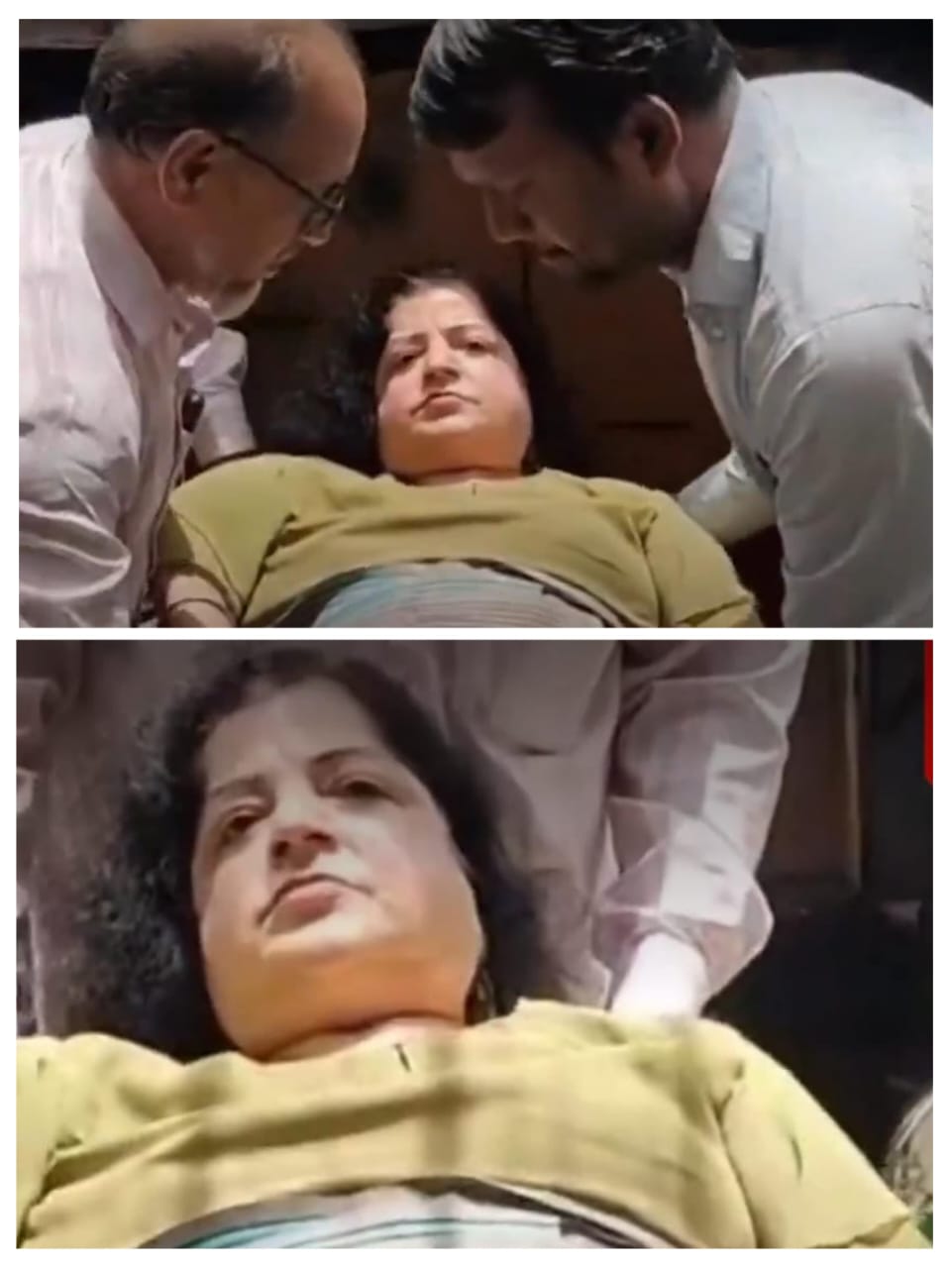
K K Jha
Indore: In a poignant and heart-wrenching appeal, Kumari Chandrakanta Jethani, a 52-year-old government school teacher from Indore, has written to President Droupadi Murmu, seeking permission for euthanasia to end her years of unbearable physical suffering caused by paralysis. Despite her debilitating condition, Jethani’s unwavering dedication to her students and society has left an indelible mark, making her plea a powerful reflection of both her courage and despair.
Jethani, confined to a wheelchair since 2020 due to alleged medical negligence, continues to teach at Government Middle School in Jabran Colony, near Raoji Bazar police station. Spending seven to eight hours daily in the classroom, she endures excruciating pain while imparting education to her students. Her condition, reportedly stemming from a botched orthopedic treatment and compounded by Osteogenesis Imperfecta, a rare bone disorder, has left the lower half of her body paralyzed, rendering her dependent on others for basic needs.
In her emotional letter to President Murmu, Jethani wrote, “I will not commit suicide because I teach my students to live with courage. But my body no longer supports me. I go through excruciating pain every day. I am seeking euthanasia so that my body parts can be donated for someone else who might get a new life.” Her words underscore a profound desire to maintain dignity in death, just as she has in life, while also continuing to contribute to society even after her passing.
Jethani’s selflessness is evident in her remarkable contributions despite her suffering. She has donated her property to benefit the children studying at her school, ensuring her legacy supports the education of underprivileged students. Additionally, she has pledged her organs to MGM Medical College in Indore, expressing hope that her body can offer others a chance at a better life. Her actions reflect a rare commitment to social good, even as she grapples with personal agony.
The teacher’s health deteriorated following incorrect medication administered during a hospital stay, which she claims led to her current state. After the incident, she was sent to an ashram, where she allegedly faced further hardships, compounding her physical and emotional distress. In her plea, Jethani highlighted the lack of adequate support from government authorities, which has left her feeling abandoned in her struggle.
Euthanasia, often referred to as “mercy killing” or “assisted dying,” remains a deeply contentious issue in India. The practice is categorized into voluntary, involuntary, active, and passive euthanasia, with complex legal and ethical implications. In India, active euthanasia is illegal, though passive euthanasia—allowing a patient to die by withholding treatment—was permitted under strict guidelines by the Supreme Court in 2018. Jethani’s request, therefore, places her case at the heart of an ongoing national debate about the right to die with dignity.
Despite her condition, Jethani’s commitment to her students remains unshaken. Colleagues and students describe her as an inspiring figure, whose determination to teach from a wheelchair has motivated many. “She is a true role model,” said a fellow teacher at the school, speaking on condition of anonymity. “Even in pain, she never misses a class and encourages her students to face life’s challenges bravely.”
Her appeal has sparked widespread discussion in Indore and beyond, with many expressing sympathy and calling for better support systems for individuals with severe disabilities. Social media platforms, including X, have seen an outpouring of support, with users sharing her story and urging authorities to address her plight. “A heartbreaking plea from Indore,” wrote one user, while another emphasized, “Her courage and contributions deserve respect and action.”
Jethani’s request is currently under consideration by the President’s office and
relevant authorities, but no official response has been issued yet. Legal experts note that her case could reignite conversations about euthanasia laws in India, particularly the need for clearer frameworks to address such pleas. “This is not just about one person’s suffering but about the larger question of how we treat those in unbearable pain,” said a local advocate, who declined to be named.